
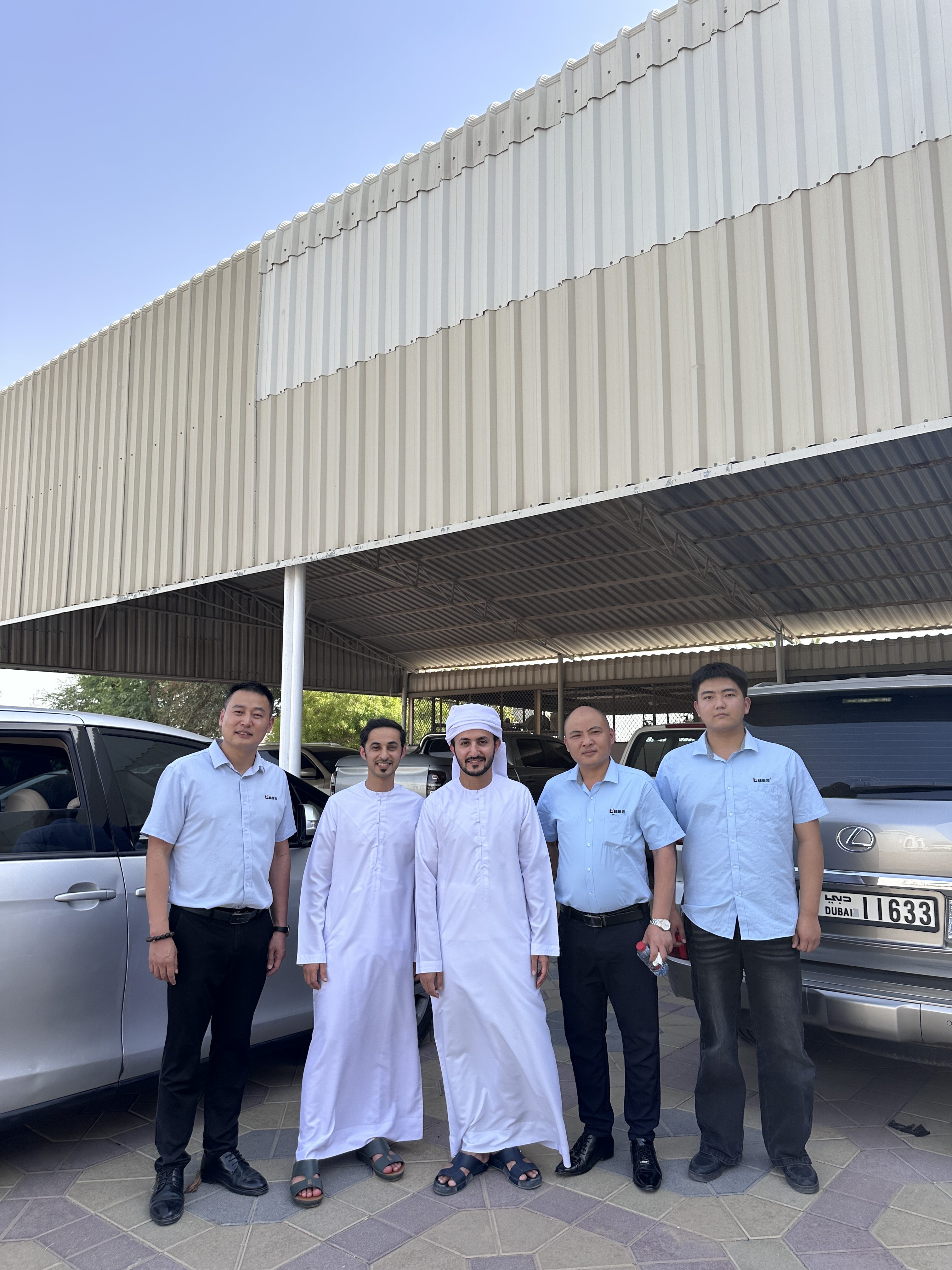
The Middle East represents one of the fastest-growing markets for imported paints and industrial coatings. Rapid infrastructure development, oil & gas investments, real estate expansion, and harsh climate conditions create strong demand for high-performance coatings.
For importers and private label brand owners, entering the GCC region requires a structured strategy that balances regulation, product adaptation, pricing, and distributor partnerships.
This guide explains how to successfully enter and scale in the Middle East paint market.
1️⃣ Understand the GCC Market Landscape
The Gulf Cooperation Council (GCC) includes:
- United Arab Emirates (UAE)
- Saudi Arabia
- Qatar
- Kuwait
- Oman
- Bahrain
Each country has its own regulatory framework, but market dynamics share similar characteristics:
✔ Heavy construction activity
✔ High demand for exterior and industrial coatings
✔ Strong distributor-driven sales structure
✔ Price sensitivity in large-volume projects
Saudi Arabia has the largest volume demand, while the UAE is more brand-focused and competitive.
2️⃣ Regulatory & Compliance Requirements
Compliance is critical before shipping any paint products.
Key Regulatory Focus Areas:
- Local standards authority approval (e.g., SASO in Saudi Arabia)
- Product conformity certificates
- Arabic labeling requirements
- Safety Data Sheet (SDS) documentation
- Hazardous goods classification for transport
Some countries may require product registration prior to importation.
Working with an experienced export-oriented OEM manufacturer significantly reduces compliance risk.
3️⃣ Product Adaptation for Harsh Climate
The Middle East climate demands specialized paint formulations.
Critical performance requirements:
- High UV resistance
- Heat resistance (surface temperatures exceed 60°C)
- Anti-sand abrasion properties
- Salt spray resistance (coastal regions)
- Anti-corrosion systems for steel structures
Exterior emulsion paints and polyurethane industrial coatings are particularly in demand.
Products that perform well in Europe may require reformulation for Middle Eastern conditions.
4️⃣ Distribution Model in the Middle East
Unlike some European markets, the Middle East heavily relies on strong local distributors.
Common structure:
- Master importer / national distributor
- Sub-distributors
- Project contractors
- Retail hardware stores
Offering territorial exclusivity helps build long-term commitment.
Distributors typically expect margins between 20%–35%, depending on product category.
5️⃣ Pricing Strategy for GCC Markets
Pricing must consider:
- CIF vs FOB model
- Import duties
- Local transportation
- Distributor margin
- Contractor rebate system
Many large construction projects operate on tender systems, where price competitiveness is critical.
However, competing purely on price can damage brand perception. Emphasize:
✔ Durability
✔ Technical performance
✔ Warranty support
✔ Compliance documentation
6️⃣ High-Potential Product Categories
Top-performing categories in the Middle East:
- Exterior Weatherproof Paint
- Elastomeric Waterproof Coatings
- Industrial Epoxy Systems
- Polyurethane Topcoats
- Roof Heat Reflective Coatings
- Fire-Resistant Coatings
Oil & Gas and infrastructure projects require certified anti-corrosion systems with performance test reports.
7️⃣ Logistics & Shipping Considerations
Most shipments move via sea freight to major ports:
- Jebel Ali (UAE)
- Dammam / Jeddah (Saudi Arabia)
- Hamad Port (Qatar)
Important logistics considerations:
- Proper hazardous goods declaration
- Temperature management during shipping
- Container load optimization
- Accurate customs documentation
Failure in documentation can cause costly port delays.
8️⃣ Building Long-Term Market Presence
To build a sustainable presence:
✔ Support distributors with marketing materials
✔ Provide technical training
✔ Offer sample kits for contractors
✔ Participate in regional trade exhibitions
✔ Maintain stable supply and pricing
Long-term success in the Middle East depends on relationship-building and consistency.
Final Thoughts
The Middle East paint market offers strong growth opportunities for importers who approach it strategically.
Success requires:
✔ Regulatory compliance
✔ Climate-adapted product formulations
✔ Competitive pricing structure
✔ Reliable OEM manufacturing
✔ Strong distributor partnerships
With the right positioning and supply chain management, private label paint brands can scale rapidly across GCC markets.